

Reading time: ~1 min read
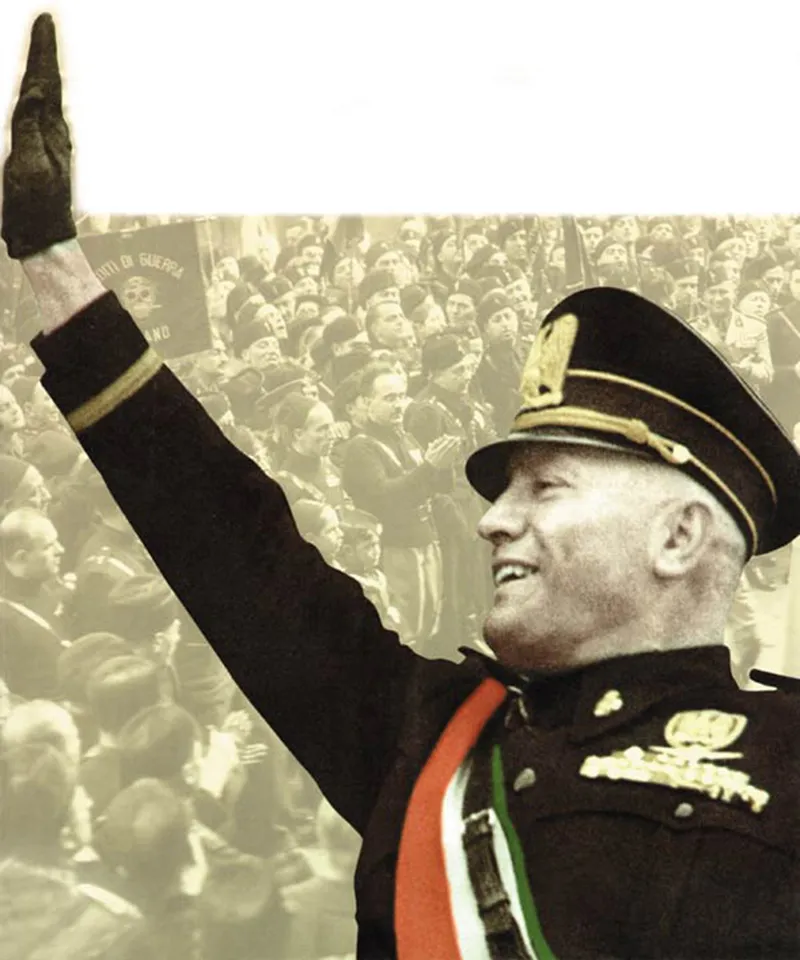
Another factor that opened the way to fascism was the ignorance and lack of education of many communities. Education had suffered heavily during the chaos of the First World War. A great number of young educated people had lost their lives on the battlefield. In general, this led to a lowering of the level of culture in society. It was largely the ignorant who supported fascism, fought in its name, and became pawns of its chauvinistic policies. Because the fundamental ideas on which fascism were based (in other words, racism, romantic nationalism, chauvinism and fantasy) could only be widely accepted by the uneducated, susceptible as they were to crude, facile slogans.
Such people, seeing themselves as trapped, looked for easy way out. They embraced fascist leaders, as if they were a kind of lifebelt, as Eric Hoffer says in his book The True Believer:
For men to plunge headlong into an undertaking of vast change, they must be intensely discontented yet not destitute, and they must have the feeling that by the possession of some potent doctrine, infallible leader or some new technique they have access to a source of irresistible power. They must also have an extravagant conception of the prospects and potentialities of the future. Finally, they must be wholly ignorant of the difficulties involved in their vast undertaking.34
An examination of the societal conditions that preceded fascism makes light of the fact that many people had just such a psychology.