Reading time: ~4 min read
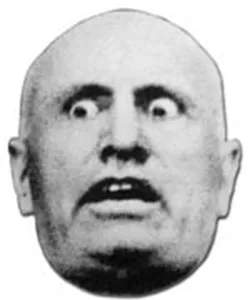
The most important element of fascism is the leader, whose name is given prominence in every aspect of society. The Hitler, Mussolini and Franco regimes were clear examples of this. The titles used by these dictators, "Der Führer," "Il Duce" or "El Caudillo" all signify the same thing— "The all-knowing leader." And, indeed, the three ran their respective states totally according to their own desires, while their closest colleagues and most senior officers were left out of the decision-making process.
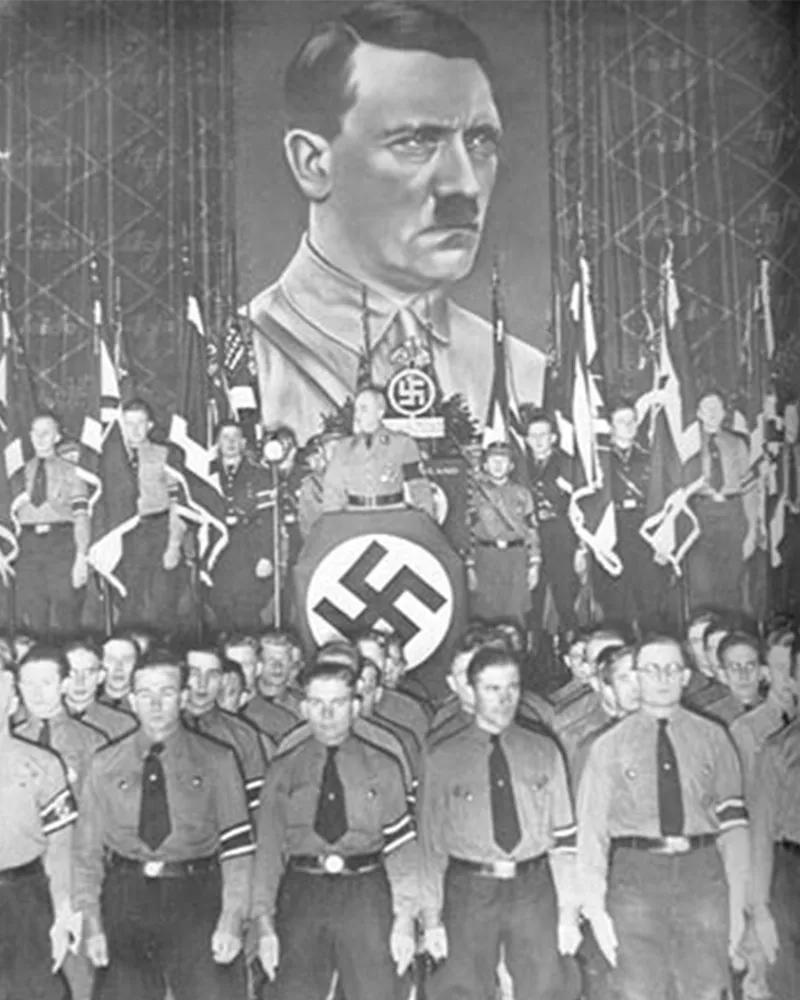
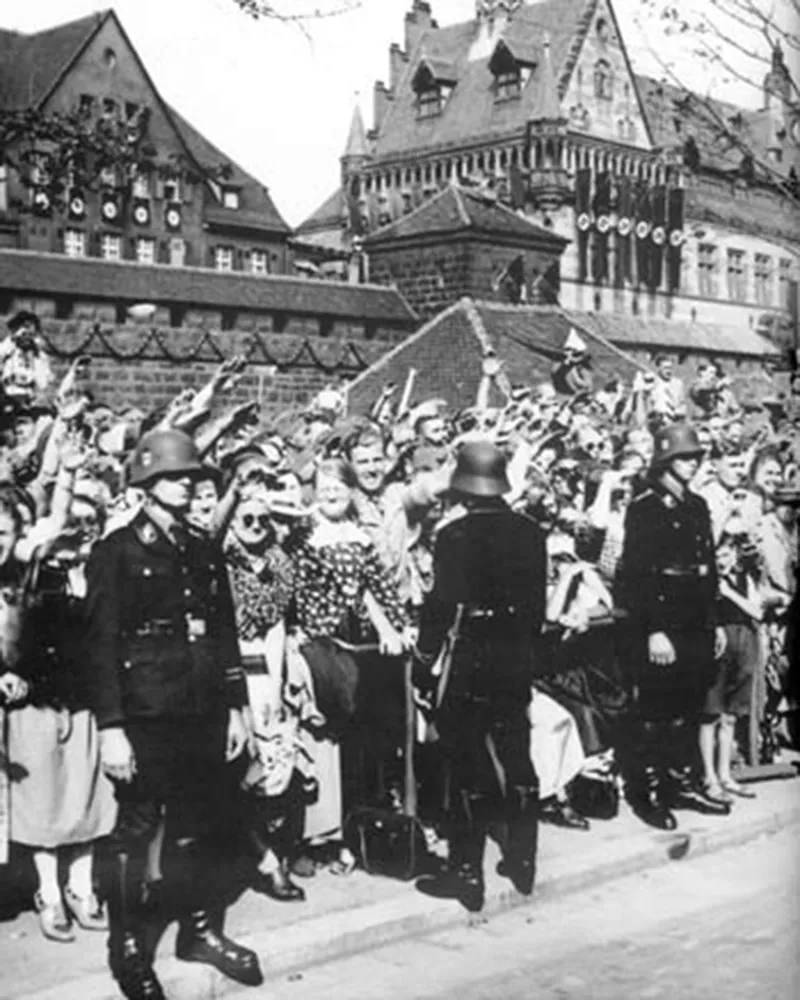
Fascism ascribes an almost sacred power to the leader, in order that he can maintain his appeal and increase his acceptance among the people. The leader is the ruler of the whole country and of its people, portrayed as being part of him. A Nationalist Socialist leader, Herr Spaniol, speaking at Saarbruecken in January, 1935, said:
I do not believe that the Churches will continue to exist in their present form. In the future religion will be called National Socialism. Its prophet, its pope, its Jesus Christ, will be called Adolf Hitler.38
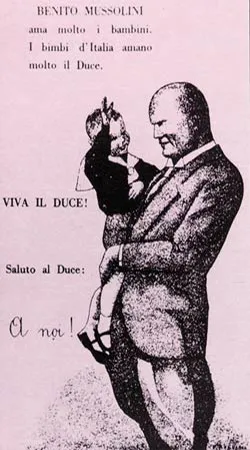
In a similar way, Mussolini was seen in Italy as someone with special abilities, a superior being, chosen and formed especially for the task in hand. The commandments and pronouncements issued by Mussolini were called the "Fascist Decalogue," and the eighth of these, "The Duce is always right," became a slogan that was heard all over Italy in the 1920s and 30s.39 By 1935, membership of the fascist youth organization, the Opera Nationale Balilla, became compulsory for all Italian youth. Young Italians who became a member of Balilla swore to "...believe in Rome the eternal... in the genius of Mussolini, in our Holy Father Fascism."40
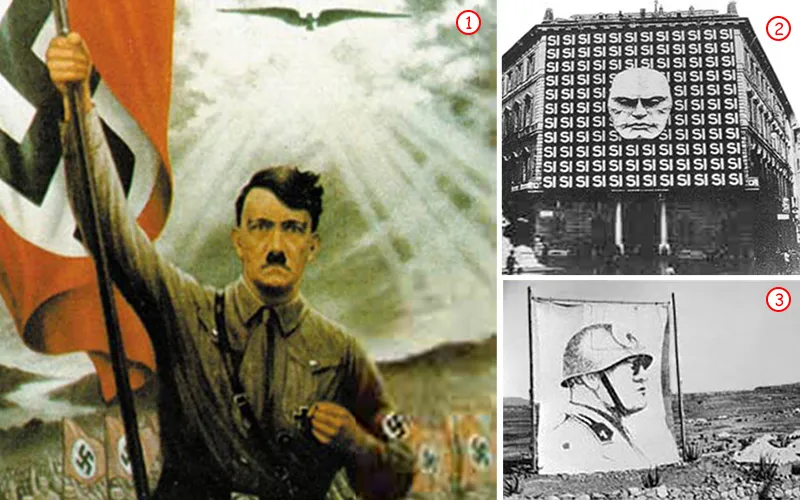
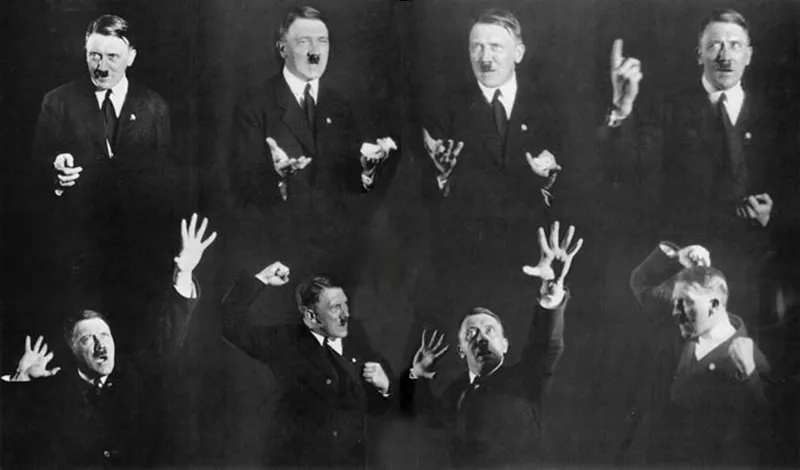
Another method employed to portray the fascist leader as sacred was the putting up of his picture and statues all over the country. This had a profound psychological effect on the public, who constantly felt themselves within the leader's power and under his control, and even, that he was always watching them. Mussolini's official propaganda service used to advise the press how, when and which of his pictures was to be printed, on which page, in what arrangement, and in what size. In these photographs, "Il Duce" appeared before his people in pompous poses: brandishing a sword, stressing economic development in a harvest area, addressing young fascists, as a tireless worker or sportsman.
In each case, Mussolini was presented as the hero of the people. Newspaper pages were adorned with pictures of him flying planes, jumping hurdles on horseback, swimming, skiing in the Alps, fencing, in parachutist costume etc.
So effective was this propaganda that even his oldest friends used to stand to attention whenever they saw him. Thus Mussolini was able to satisfy his enormous ego, not even allowing his oldest friends to sit down, but keeping them on their feet for hours.
The methods employed to portray the fascist leader as superhuman, during the eras of Hitler and Mussolini, are also used by modern fascists in our own time. The fascist dictator in Iraq, Saddam Hussein, is such an example. For years, the streets of fascist Iraq have been covered with huge pictures of him. And, in them, he is shown in different roles as leader of the people: as a farmer in the country, a worker in a factory, as a soldier in the barracks. He makes his presence felt everywhere, in an attempt to give the impression of being "one who sees and knows all," in other words, a sacred being.