Reading time: ~3 min read
However, fascism certainly does not consist merely of the leader and the fascist party around him. In both Nazi Germany and Italy, there was tremendous popular support for the regime. This was produced in a number of ways. Fascist regimes are not simply "authoritarian," crushing their people into silence; they are also "totalitarian."
The particular feature that attracts people to a fascist ideology in a totalitarian system is "extreme romanticism." People who have irrational and romantic or emotional attachments to ideals and movements in their own time or in history are easily led and manipulated, and can even be provoked to commit crimes. If such people can be convinced that the cruelties required of them are carried out for a sacred cause, such as the "superiority of their own race," there is no limit to the injustices they can be deluded into committing. Fascist regimes recognize this, and do their utmost to keep their people in a state of irrational emotional exuberance and agitation. They present what appear to be sacred values to the people and encourage them in self-sacrifice for the sake of the state, to despise other nations or races, and even to torture and kill.
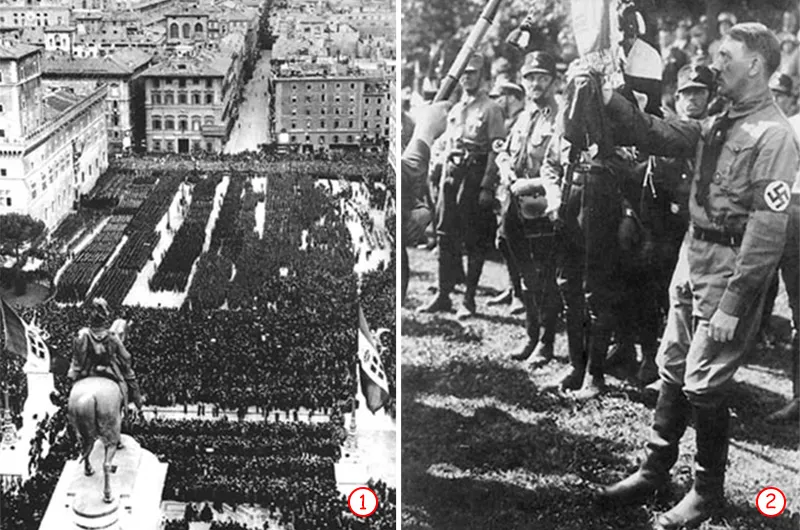
For this reason, fascist regimes have always tended to attach great importance to mass rallies, marches, meetings and ceremonies. Their aim is to form a sheep-like sense of unity in the people. The people are first diverted from religion with symbols, statues, days of remembrance, flags, torches, and uniforms. Grand moving ceremonies are designed to replace the experience of religious ones. These indoctrinated crowds conform to the fascist ideals, in false joy and excitement, as if carrying out an act of divine worship. The frequent repetition of written and shouted slogans, cries, martial music and salutes are a vital part of fascist ceremonies.
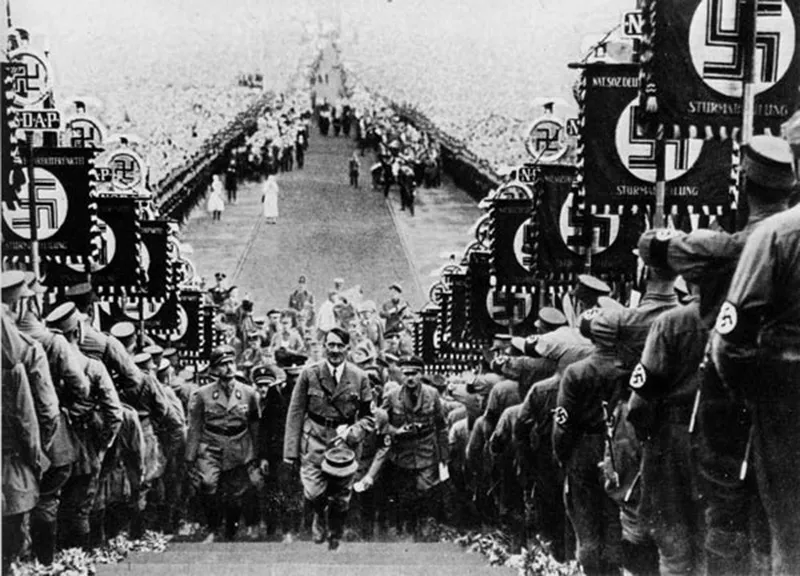
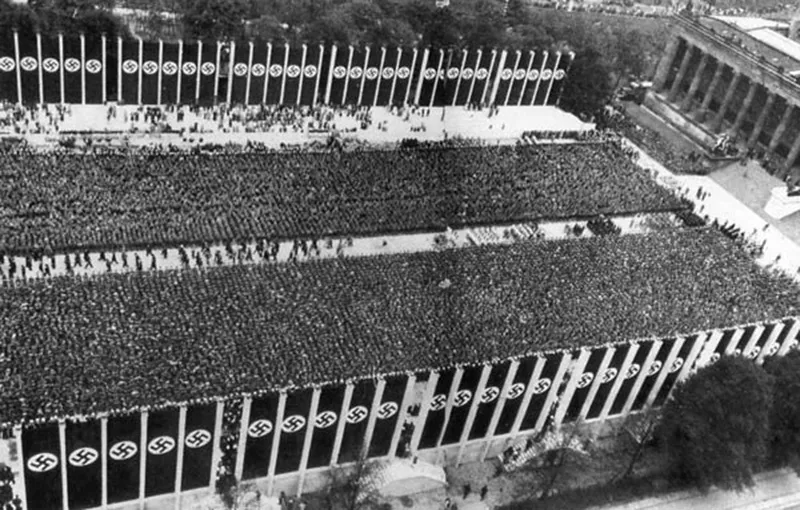
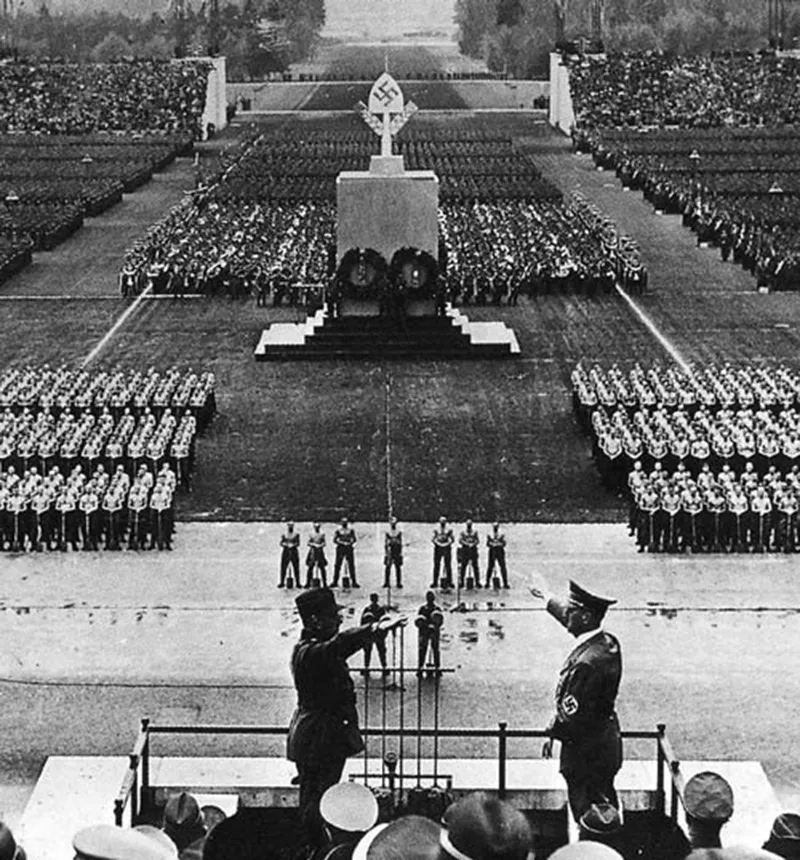
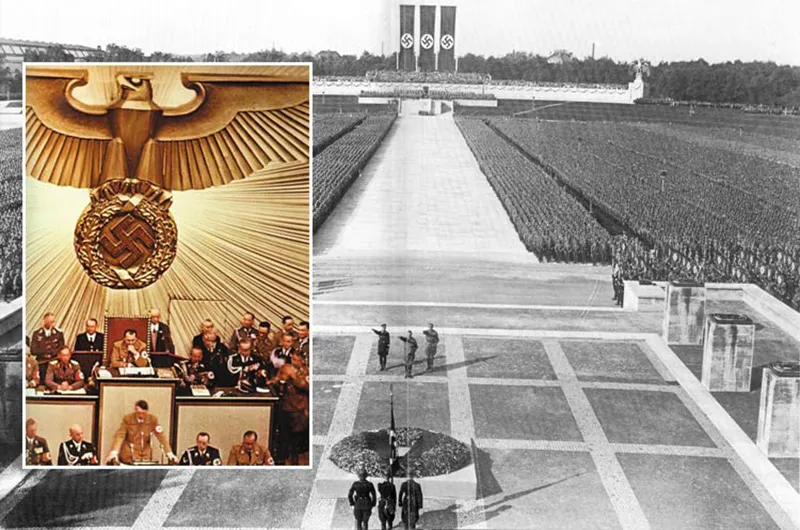
These fascist crowds are devoid of any kind of intelligent thought or behavior. All that remains is a group of people whipped up by slogans, songs and poems, but deaf to all reason. These masses, who identify themselves and their leaders with heroes from mythology or legends from the past, carry out their atrocities with an artificially induced sense of "heroism." If the day comes when they are called to account for their actions, they say they did it for the nation, and that they are actually its heroes. Those who followed Hitler and Mussolini did so under the effects of such hypnosis, perpetrating their atrocities in this state of false excitement.
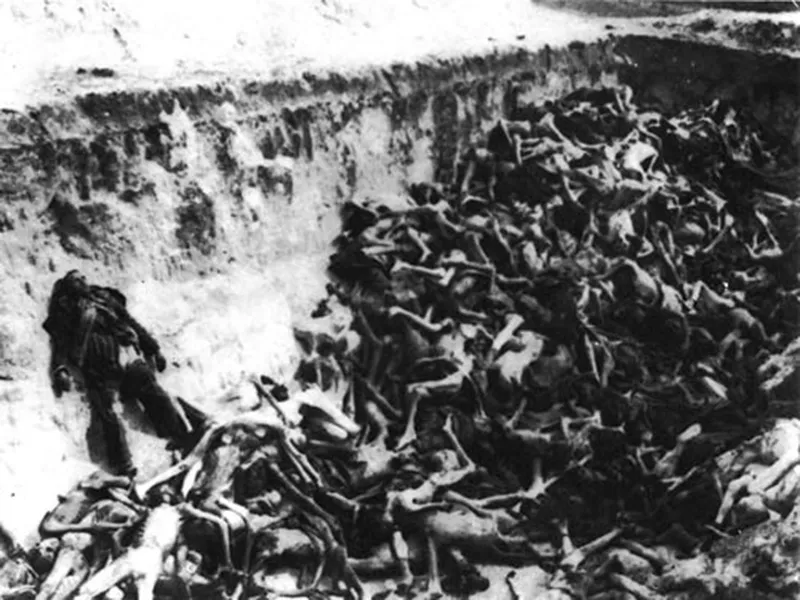
Under fascism, a person's natural love for his people and country is turned into a dangerous sentimentality and a mindless loss of self-control, whereby whole societies are driven to kill by exploiting these emotions.