Reading time: ~2 min read
Another feature without which fascism cannot survive is its policy of expansion by conquering other countries. The basis of this policy of conquest is racism, and the concept of "the struggle for survival between the races," a legacy of Darwinism. Fascist states believe that in order to develop as a nation, they have to conquer weaker nations, and grow by absorbing them.
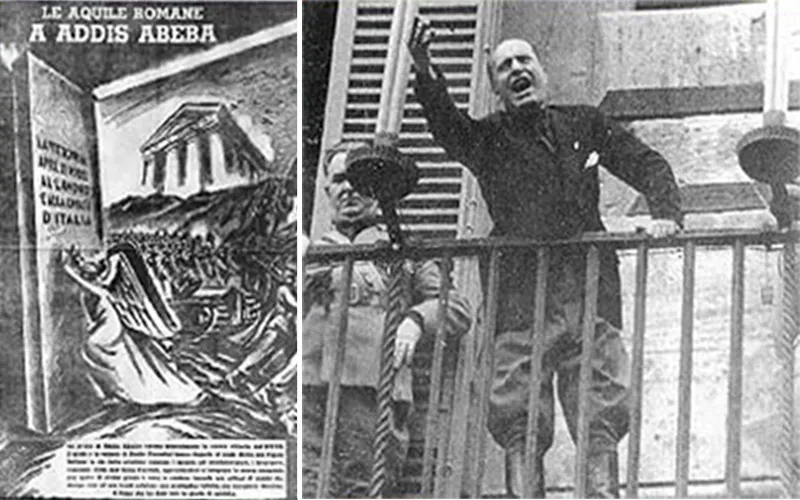
According to fascist thinking, man can only progress by engaging in war. Therefore, "militarism" is fascism's most defining characteristic. In order to encourage this martial spirit, fascist parties attempt to impress their citizens with their uniforms and pompous ceremonies. In Mussolini's words, "Fascism... believes neither in the possibility nor the utility of perpetual peace. War alone brings up to its highest tension all human energy and puts the stamp of nobility upon the peoples who have courage to meet it."52
Mussolini expressed his opposition to peace in another speech, saying, "I do not believe in peace, but I find it depressing and a negation of all human virtues of man."53
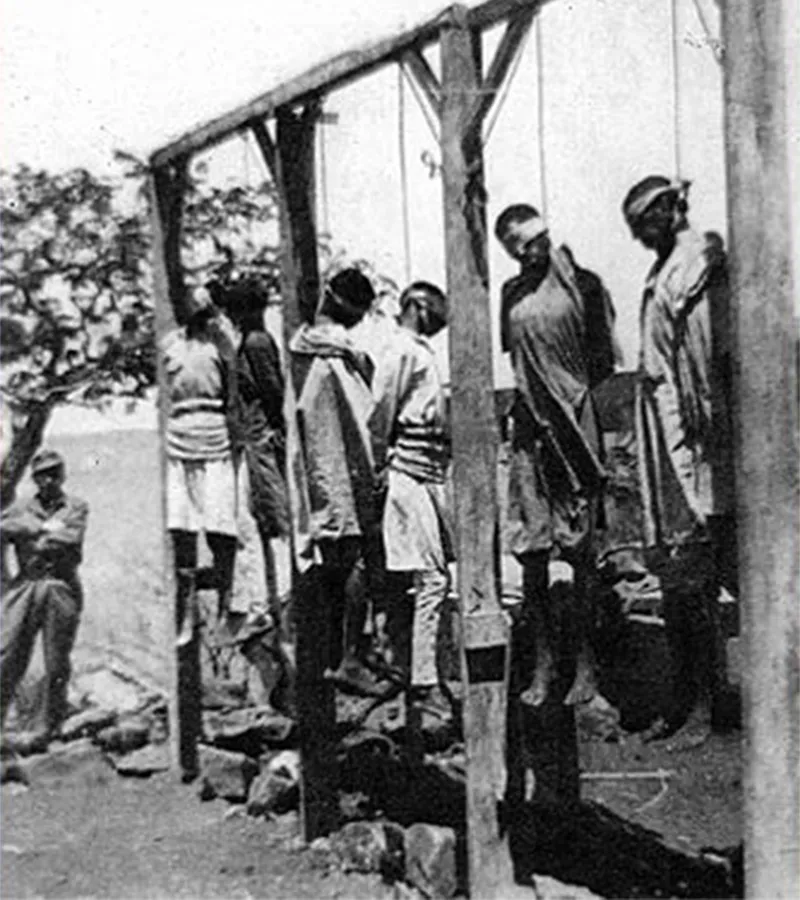
Mussolini inflicted great suffering, both on his own people and on those in the countries he occupied, in the name of his ideology. He occupied Ethiopia(Abyssinia) in 1935, and 15,000 innocent Muslims were killed towards his dreams of "reviving the Roman Empire." He had no compunction about ordering civilians who tried to fight the occupation to be shot. He was also responsible for terrible atrocities through the use of poison gas against civilians.
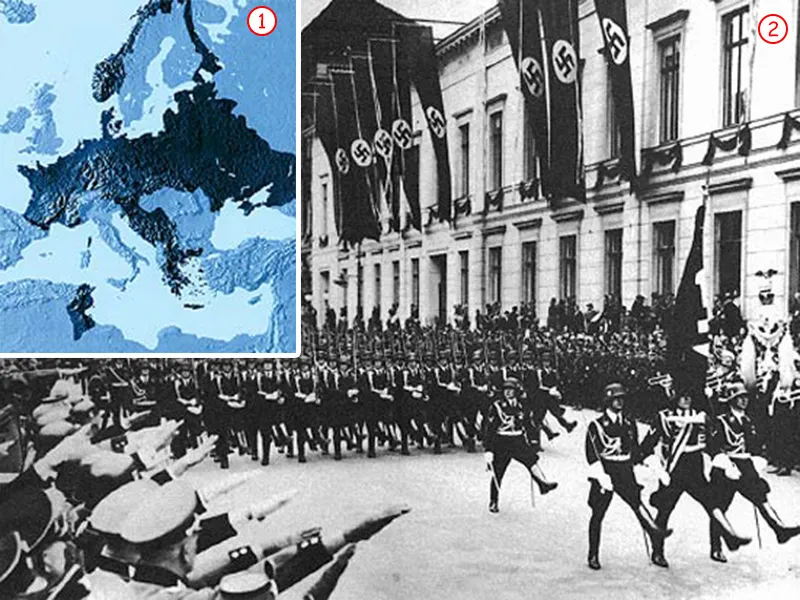
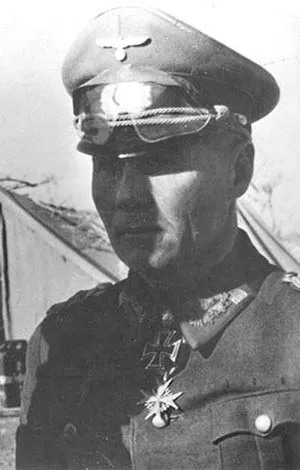
The most grievous example of fascism's politics of occupation is, of course, Nazi Germany. The Nazis claimed that the Germans, "the master race," needed "room to live" beyond the frontiers of Germany, and for that reason sparked World War II. Within a very short time, the German Army had occupied Poland, Belgium, the Baltic countries, France, the Balkan Peninsula and Northern Africa, invaded Russia as far as Moscow, and headed from there to the Caspian Sea. This murder, which ultimately culminated in a disaster for the German people as well as for those of other countries, left 55 million dead, and was the bloodiest legacy of fascism in the 20th century.