

Part 1· ~1 min read
IntroductionFor some people, the very concept of natural history implies the theory of evolution. The reason for this is the heavy propaganda that has been carried out. Natural history museums in most countries are under the…
The Real Origin of Life
For some people, the very concept of natural history implies the theory of evolution. The reason for this is the heavy propaganda that has been carried out. Natural history museums in most countries are under the…
Part 1· ~1 min read
IntroductionFor some people, the very concept of natural history implies the theory of evolution. The reason for this is the heavy propaganda that has been carried out. Natural history museums in most countries are under the…
Part 2· ~2 min read
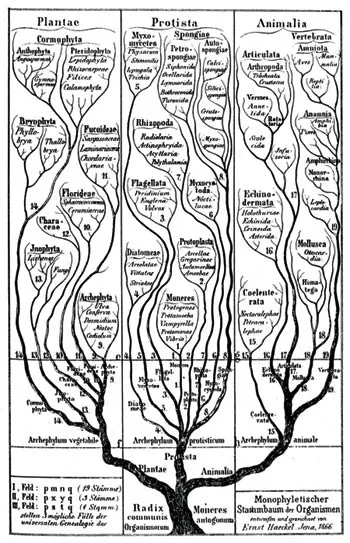
The Classification of Living ThingsBiologists place living things into different classes. This classification, known as "taxonomy," or "systematics," goes back as far as the eighteenth-century Swedish scientist Carl von Linné, known as Linnaeus. The…
Part 3· ~6 min read
Fossils Reject the "Tree of Life"Let us first consider the Darwinist hypothesis. As we know, Darwinism proposes that life developed from one single common ancestor, and took on all its varieties by a series of tiny changes. In that case, life should…
Part 4· ~2 min read
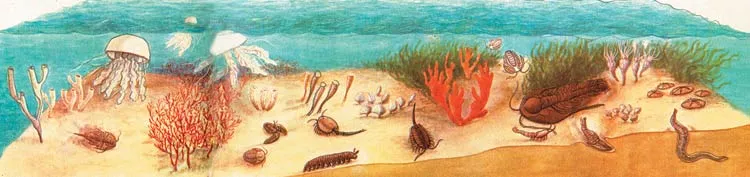
The Burgess Shale Fossil BedLewin continues to call this extraordinary phenomenon from the Cambrian Age an "evolutionary event," because of the loyalty he feels to Darwinism, but it is clear that the discoveries so far cannot be explained by…
Part 5· ~2 min read
Simultaneous Emergence of All PhylaDeeper investigation into the Cambrian Explosion shows what a great dilemma it creates for the theory of evolution. Recent findings indicate that almost all phyla, the most basic animal divisions, emerged abruptly in…
Part 6· ~2 min read
Molecular Comparisons Deepen Evolution's Cambrian ImpasseAnother fact that puts the theory of evolution into a deep quandary about the Cambrian Explosion is genetic comparisons between different living taxa. The results of these comparisons reveal that animal taxa…
Part 7· ~5 min read
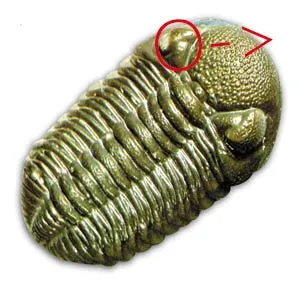
Trilobites vs. DarwinOne of the most interesting of the many different species that suddenly emerged in the Cambrian Age is the now-extinct trilobites. Trilobites belonged to the Arthropoda phylum, and were very complicated creatures…
Part 8· ~10 min read
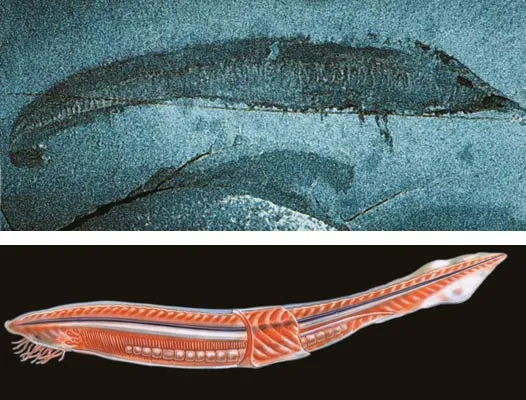
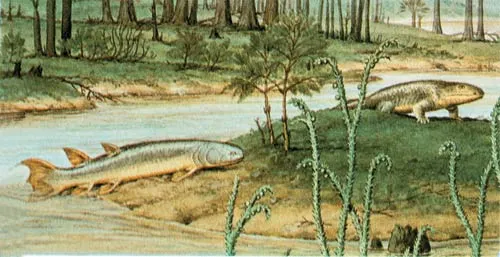
The Origin of VertebratesAs we said at the beginning, one of the phyla that suddenly emerged in the Cambrian Age is the Chordata, those creatures with a central nervous system contained within a braincase and a notochord or spinal column.…
Part 9· ~3 min read
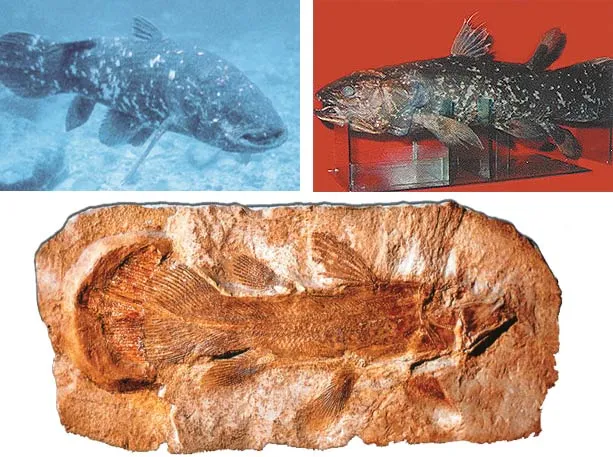
Speculations About CoelacanthsFish that come under the coelacanth family were once accepted as strong evidence for transitional forms. Basing their argument on coelacanth fossils, evolutionary biologists proposed that this fish had a primitive…
Part 10· ~5 min read
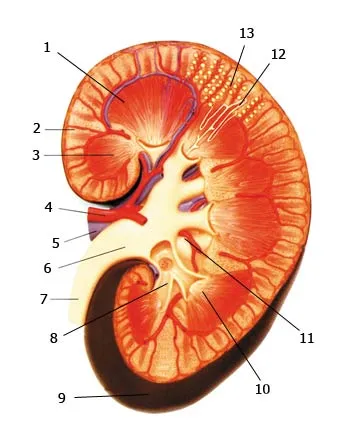
Physiological Obstacles to Transition from Water to LandThe claim that fish are the ancestors of land-dwelling creatures is invalidated by anatomical and physiological observations as much as by the fossil record. When we examine the huge anatomical and physiological…
Part 11· ~4 min read
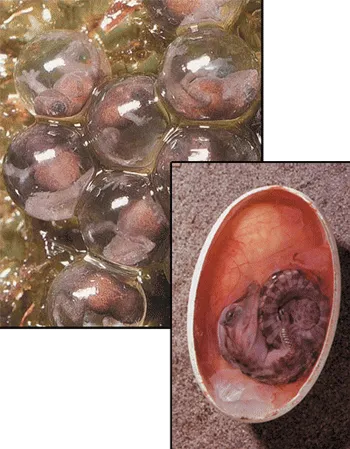
The Origin of ReptilesDinosaur, lizard, turtle, crocodile—all these fall under the class of reptiles. Some, such as dinosaurs, are extinct, but the majority of these species still live on the earth. Reptiles possess some distinctive…
Part 12· ~2 min read
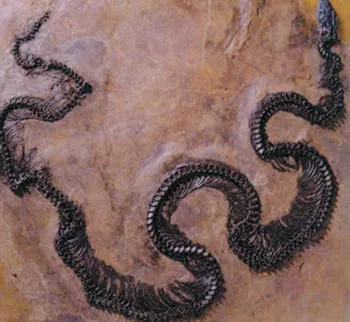
Snakes and TurtlesFurthermore, there are impassable boundaries between very different orders of reptiles such as snakes, crocodiles, dinosaurs, and lizards. Each one of these different orders appears all of a sudden in the fossil…
Part 13· ~4 min read
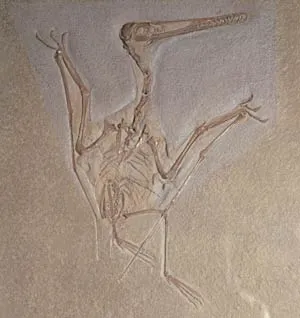
Flying ReptilesOne interesting group within the reptile class are flying reptiles. These first emerged some 200 million years ago in the Upper Triassic, but subsequently became extinct. These creatures were all reptiles, because…
Part 14· ~2 min read
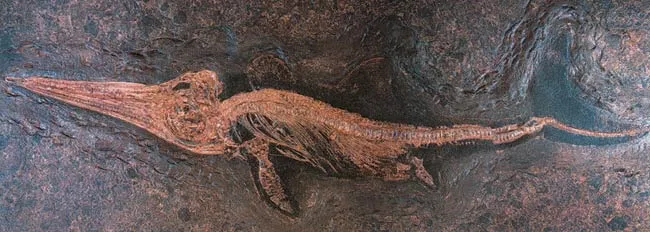
Marine ReptilesAnother interesting category in the classification of reptiles is marine reptiles. The great majority of these creatures have become extinct, although turtles are an example of one group that survives. As with flying…