Reading time: ~2 min read
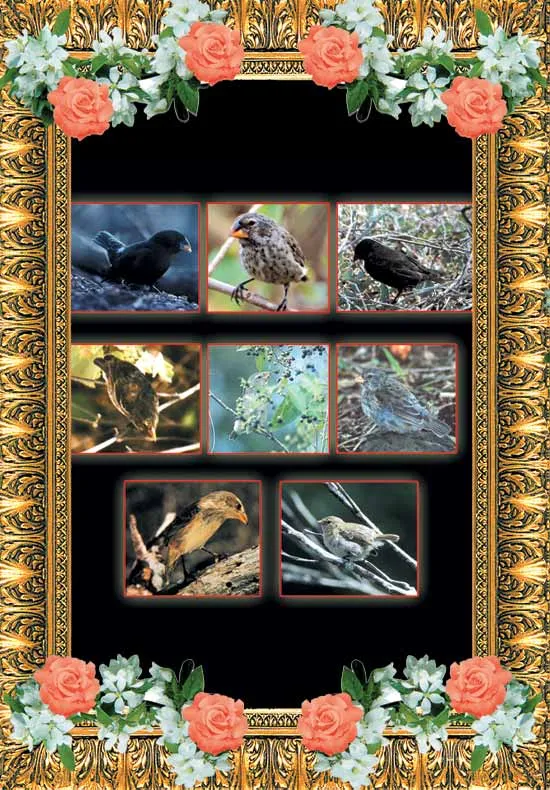
In terms of anatomy, behavior and ecology, the Galapagos finches are divided into 14 species. Because six of these feed on seeds on the ground, they are known as ground finches. These in turn are divided into three types, according to their body and beak size: the great ground finch (Geospiza magnirostris), the medium ground finch (G. fortis) and the small ground finch (G. fuliginosa). The other ground finch types include the great cactus-eating ground finch (G. conirostris), which has a longer beak and eats cactus flowers and fruit pulp in addition to seeds, the small cactus ground finch (G. scandens), and the sharp-beaked ground finch (G. difficilis), which eats the eggs of other animals and feeds on blood, as well as seeds.
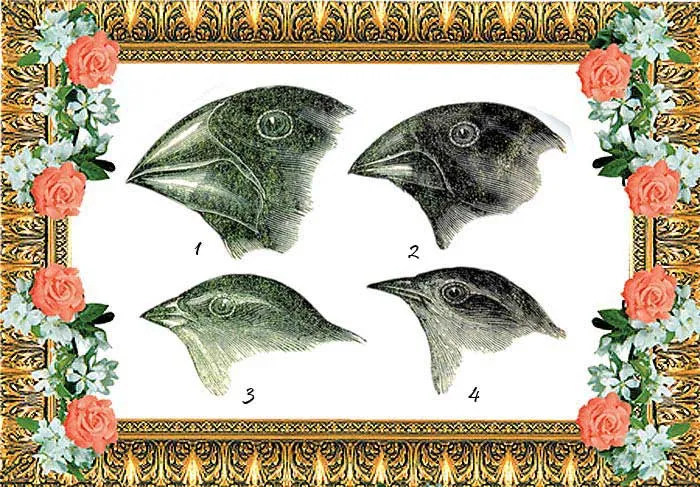
Six of the Galapagos species are tree finches. Apart from the vegetarian finch (Platyspiza crassirostris), these all feed on insects. The woodpecker finch (Cactospiza pallida) holds a cactus thorn in its beak to extract insects from their hiding places. The mangrove finch (C. heliobates) uses its thick, flat beak to catch insects in the swamps. The other three tree-dwellers are the greater tree finch (Camarhyncus psittacula), the medium tree finch (C. pauper) and the small tree finch (C. parvulus). The vegetarian finch eats leaves, seeds, fruits and flowers with its short, slightly curved beak.
The warbler finch (Certhidea olivacea) has a small, thin beak and hunts insects. The Cocos Island finch (Pinaroloxias inornata) is the only species living outside the Galapagos Islands, and feeds mainly on insects in trees and on the ground.
Every species of finch is equipped with a beak structure responding to its food requirements. The beaks of the Galapagos finches may be compared to pincers and files, each specially designed for different purposes.