Reading time: ~2 min read
Essentially, as a pagan culture, religion in pre-Christian Europe was polytheistic. Europeans believed the false gods they worshipped represented various forces or aspects of life, and most important were the gods of war, much like those who have appeared in just about every pagan society.
This prestige the gods of war enjoyed in pagan belief was the result of these societies' regarding violence as sacred. Pagan peoples were essentially barbaric and lived in a state of permanent warfare. To kill and spill blood in the name of their nation was seen as a sacred duty. Savagery and violence of almost every kind could find justification in paganism. There was no ethical foundation to forbid violence or brutality.
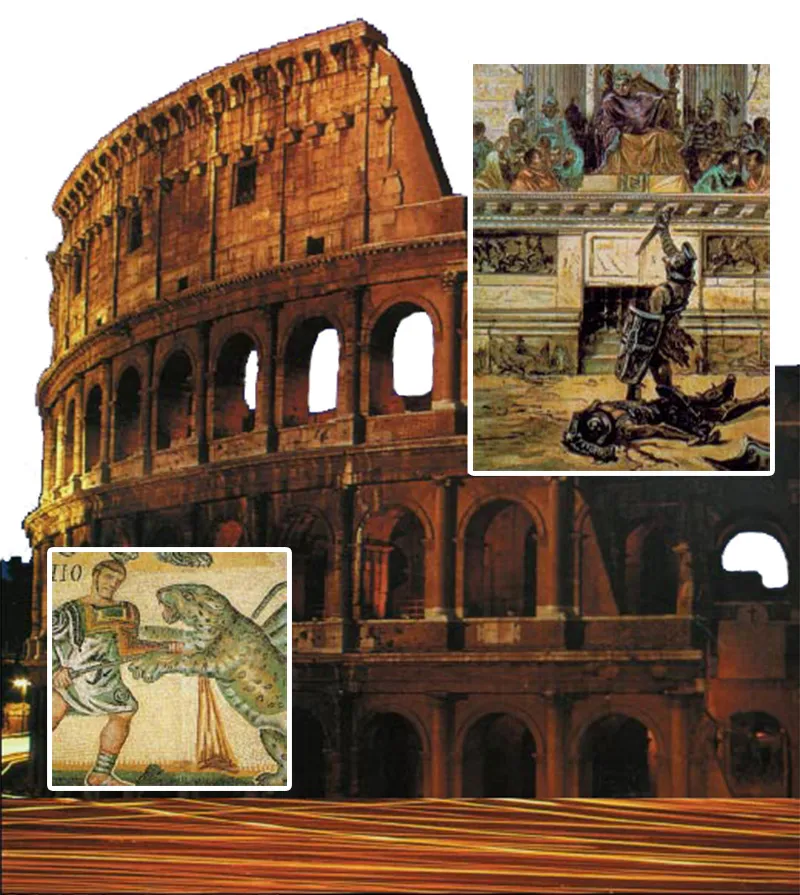
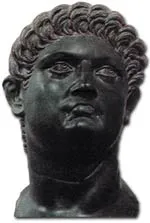
Even Rome, thought of as the most "civilized" state in the pagan world, was a place where people were made to fight to the death or torn to pieces by wild animals. The Emperor Nero came to power by having countless numbers of people killed, including his own mother, wife, and stepbrother. He had Christians devoured by wild animals in the arena, and tortured thousands of people simply because of their beliefs. An example of his cruelty was his setting the city of Rome on fire, as he played the lyre and watched the horrible scene from a window in his palace.
Though Rome was immersed in a culture of violence, the barbarian and pagan nations of the north, such as the Vandals, Goths, and Visigoths, were still more savage. They strove to wreak devastation on each other, as well as plundering Rome. The pagan world was a place where violence prevailed, where the use of brutality of every kind was encouraged, and where there was no consideration at all for ethics.
The best example in the pagan world of a "fascist" system, in the modern sense, was the Greek city-state of Sparta.