Reading time: ~3 min read
China's Communist leader Mao had two important guides: one of these, as we touched on earlier, was Darwin, and the other was Stalin. These two lethal names, which met together in Mao's personality, led to great tragedies and left their mark on a long, dark period in Chinese history. Between 6 to 10 million people were directly killed under Mao Tse-Tung's directives, tens of millions of counter-revolutionaries spent great parts of their lives in prison, where 20 million of them died. Between 20 and 40 million people died of starvation in the years 1959-1961, in the period called "The Great Leap Forward," as the dreadful result of Mao's extremist policies. The June 1989 Tienanmen Square massacre (about 1,000 dead) is one example of what China has gone through in its recent history. The killings and genocide directed against the Muslim Turks in Eastern Turkestan are still going on.
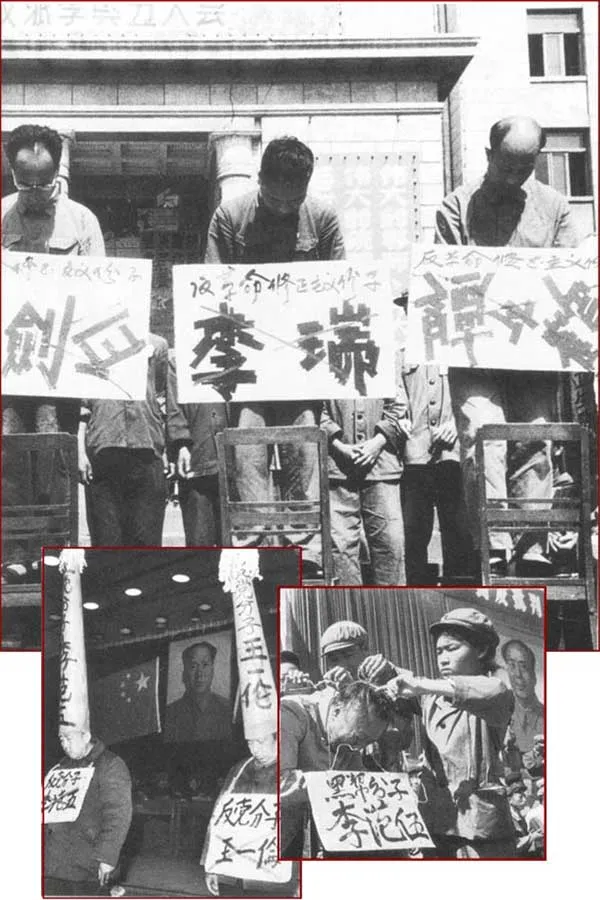
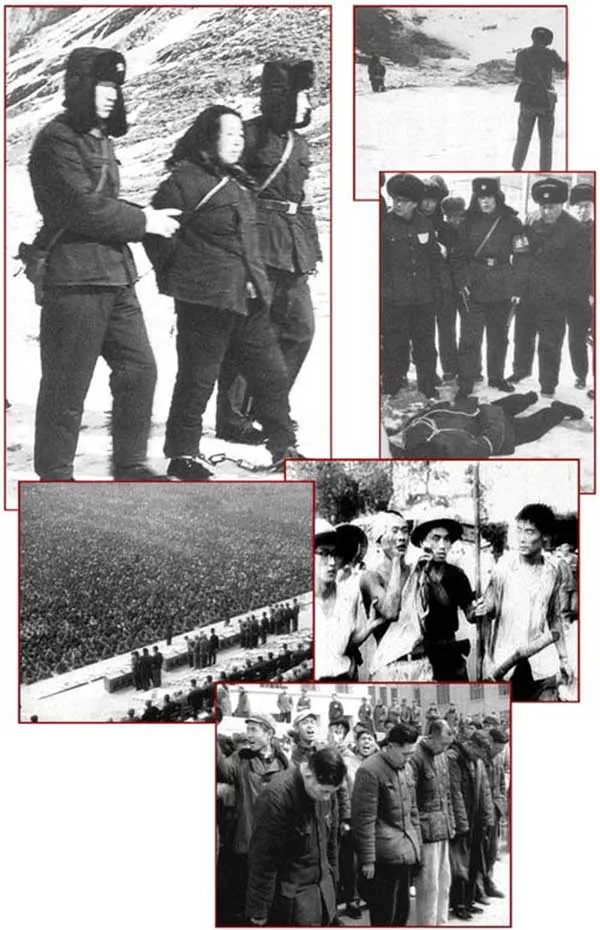
Great savagery and inhuman things took place when the Communist revolution happened in China. The people, who were under the effects of a kind of mass hypnotism, supported all kinds of savagery and showed that support by shouting as they watched the killings. The book Le Livre Noir du Communisme ("The Black Book of Communism"), prepared by a group of historians and teachers, described Communism's savage practices in this way:
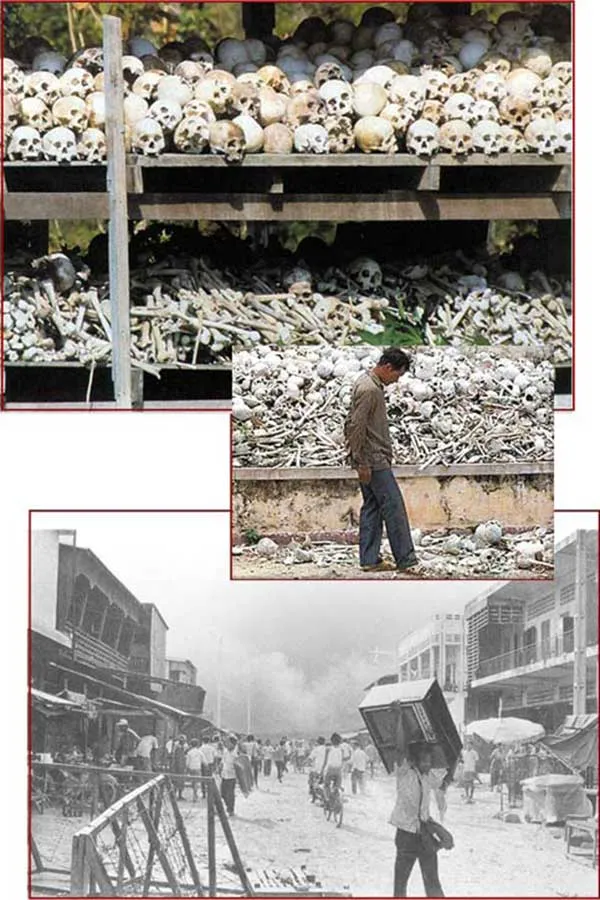
The whole people were invited to public trials of "counterrevolutionaries," who almost invariably were condemned to death. Everyone participated in the executions, shouting out "kill, kill" to the Red Guards whose task it was to cut victims into pieces. Sometimes the pieces were cooked and eaten, or force-fed to members of the victim's family who were still alive and looking on. Everyone was then invited to a banquet, where the liver and heart of the former landowner were shared out, and to meetings where the speaker would address rows of severed heads freshly skewered on stakes. This fascination for vengeful cannibalism, which later became common under the Pol Pot regime, echoes a very ancient East Asian archetype that appears often at cataclysmic moments of Chinese history.115