
Source: Nature, Cell, Molecular Cell and other scientific journalsReading time: ~5 min read
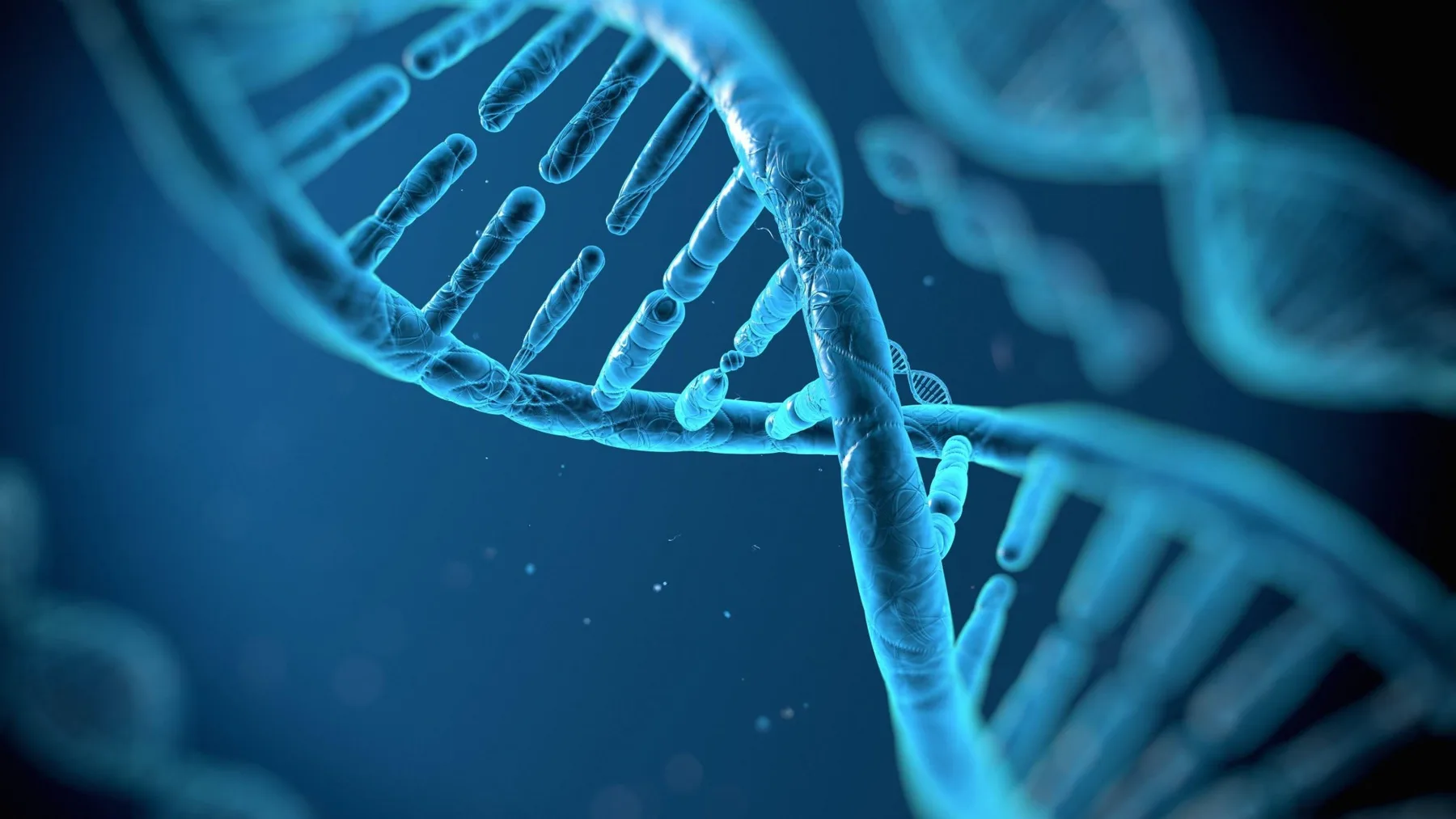
A discovery made in 1953 changed everything we thought we knew about life. The scientific world announced that DNA was the code of living things. Ever since, textbooks have repeated the same sentence: DNA carries a code, and that code produces proteins. Yet the high-resolution analyses, genome maps and 3D models of recent years have revealed a surprising truth: this elegant helical molecule does not carry just a single code. The same sequences, the same letters, the same lines also conceal a second and a third code. In other words, DNA sequences do not do just one job — they perform different tasks at the same time.
One study after another now shows that DNA is not merely a genetic sequence; it is an information bank carrying three different layers of code, stacked on top of one another and working simultaneously:
- The first layer — the basic code that specifies proteins;
- The second layer — a regulatory code that governs when, where and how that code is read;
- The third layer — an architectural code that determines how the entire genome is shaped in three dimensions.
Even as you read these lines, countless processes in the roughly 30 trillion cells that make up your body are being carried out through exactly this kind of wonder — within a system in which each part depends on and complements the others, working in flawless harmony. Unless these three layers work together, not a single protein can be produced, and not a single cell can exist.
The first layer of DNA is the one we know best: the genetic alphabet made up of the letters A, T, C and G. Briefly, these letters form three-letter words (codons); the words specify amino acids; amino acids join together to form proteins; and proteins build our muscles, hormones, enzymes, immune cells — even the neural networks that allow us to think. The information recorded in DNA is so vast that the nucleus of every cell encodes as much information as a million-page encyclopedia could hold. A single-letter error can affect proteins, disrupt the entire function of a cell and lead to very serious consequences for a person, such as cancer. Yet what is even more astonishing is that life's information bank does not end there.
The Perfect Order in How DNA Works
The second code, discovered in recent years, contains high-level control instructions that determine how DNA will operate. This layer works as a kind of “control panel” of life. Let us look more closely:
The regulatory code: an invisible control system that determines when, where and at what rate genes are switched on… First of all, it is not enough for a gene simply to exist; it must be switched on in the right cell, at the right moment and in the right amount. This code resembles a conductor directing trillions of cells in harmony like a single orchestra; each cell comes in exactly on time.
Dual-purpose codons: some codons carry two messages at once; they specify an amino acid and also act as a regulatory signal. This is an extraordinary design in which two meanings are placed in a single line. This dual-function structure shows how densely, economically and in how many layers the information in DNA is encoded.
The epigenetic code: this can be thought of as an overlying code inscribed on DNA without changing its letters. Thanks to these chemical marks, the behavior of genes can change completely. Vital decisions such as “Which gene will be switched on? Which will be switched off? Which cell will acquire which property? How much of which protein will be produced?” are determined by this overlying code. The system acts as a perfect control panel that enables the organism to make instant, precise adjustments according to its environment and its needs.
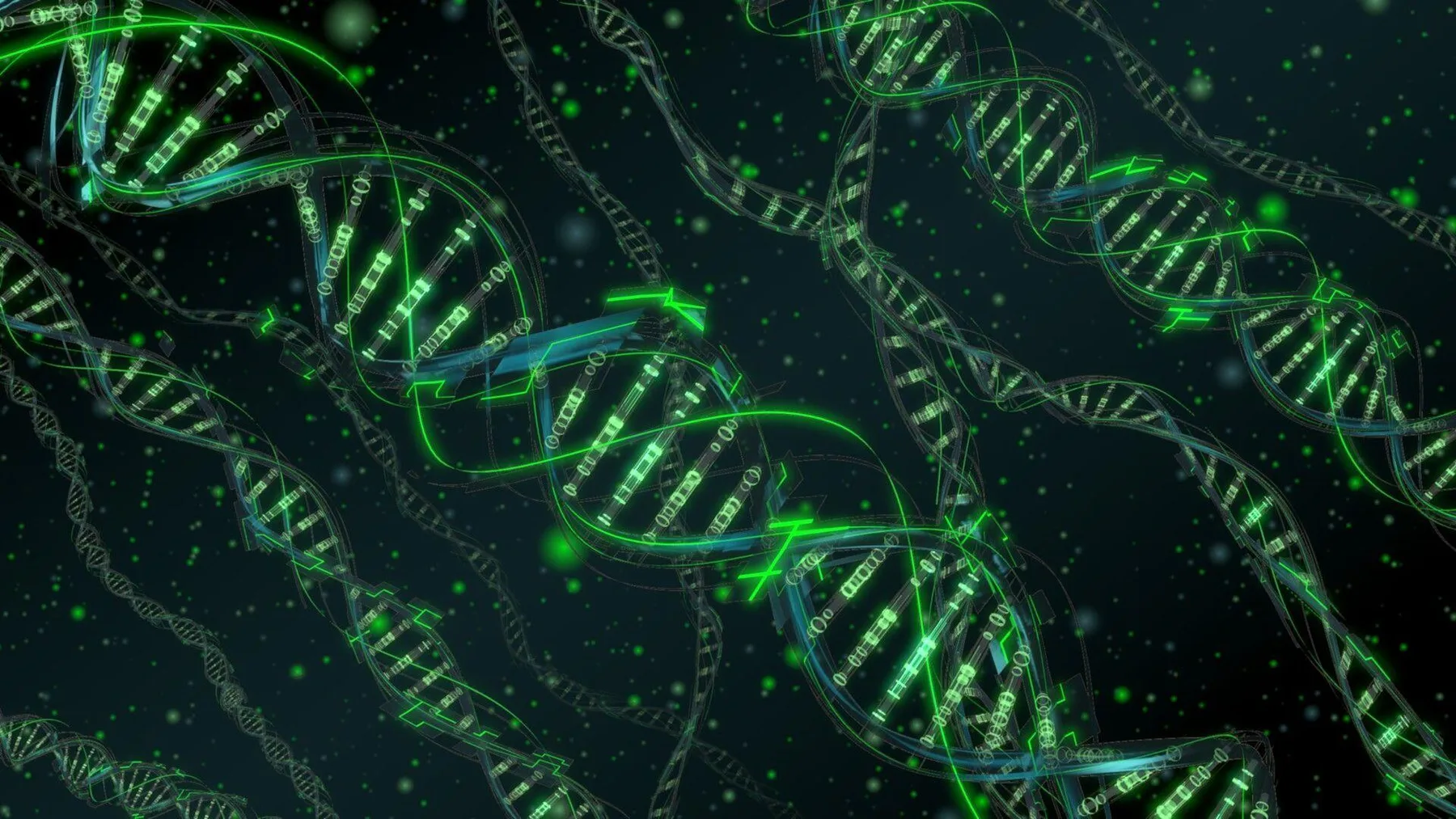
The third code is one of the greatest discoveries of the past ten years: the architectural code, which determines how the code of life is folded in three dimensions, which genes sit close to one another and in which regions of the nucleus they are placed. This layer works as a third level of information, separate from the first and second codes. For even if the DNA sequence stays the same, the epigenetic marks stay the same and the genes themselves stay the same, everything changes if only the 3D shape of the genome changes.
In other words, the origami-like folded structure of DNA takes shape according to the architectural code. If the inside of a cell nucleus were the size of a basketball, DNA would be a gigantic thread as thin as a hair and kilometers long. The architectural code ensures that this extraordinary structure is folded and placed inside the nucleus without error, and it gives the DNA sequence a new layer of meaning.
With Its Unique Structure, DNA Is a Proof of Our Lord's Infinite Power
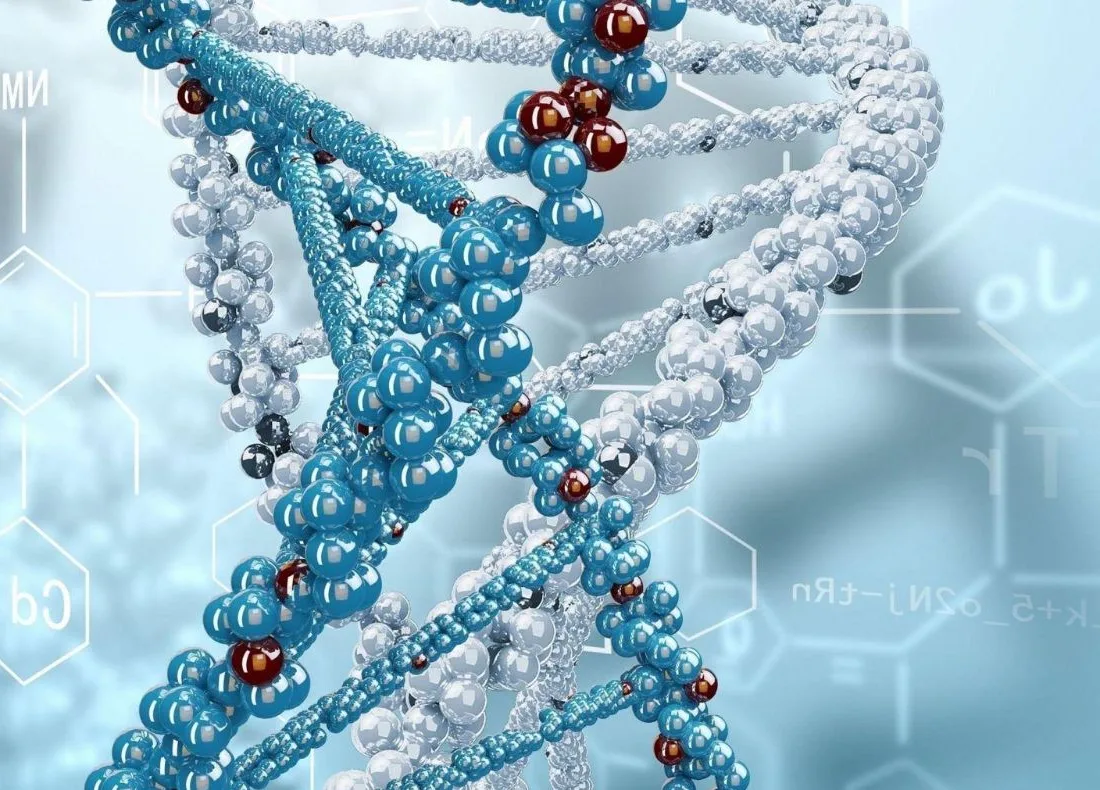
As a result, with every new discovery our knowledge of life's software has reached a level that astonishes the human mind. This has also brought with it one of the greatest admissions of modern genetics: “DNA is far more complex than we thought.”
For a long time some scientists believed they had worked out the whole logic of DNA. Many researchers even regarded the genome as an ordinary computer program and concluded that “the rest of this system is probably made up of junk and useless sequences.” In the 21st century, however, it became clear that a far deeper order lies in the spaces between the lines of the genetic instruction book, and the famous “junk DNA” claim took its place among the great mistakes in the history of science. What was useless was not DNA, but the “junk DNA” analogy that evolutionists invented to make their primitive ideology look convincing.
With its three-layered architecture, the DNA molecule is a magnificent system working in flawless harmony. It possesses a design too perfect to have arisen through random, harmful and destructive mutations; a structure too sensitive and complex to tolerate error; and an extraordinarily optimized integrity of design. This truth is just one of the proofs that clearly show that living things were created by our Lord, Who possesses supreme knowledge and power.
References
- ENCODE Project Consortium. Expanded encyclopaedias of DNA elements in the human and mouse genomes. Nature, 583, 699–710 (2020).
- Buitrago, D., Labrador, M., Arcon, J. P., et al. Impact of DNA methylation on 3D genome structure. Nature Communications, 12, 3243 (2021).
- Sefer, E. ProbC: joint modeling of epigenome and transcriptome effects in 3D genome. BMC Genomics, 23, 388 (2022).
- Willemin, A., Szabó, D. & Pombo, A. Epigenetic regulatory layers in the 3D nucleus. Molecular Cell, 84(3), 415–428 (2024).
- Razin, S. V., Ulianov, S. V. & Iarovaia, O. V. Enhancer Function in the 3D Genome. Genes, 14(6), 1277 (2023).
- Strom, A. R. & Brangwynne, C. P. The liquid nucleome – phase transitions in the nucleus at a glance. Journal of Cell Science, 132(22), jcs235093 (2019).
- Dekker, J. & Mirny, L. A. The 3D genome as moderator of chromosomal communication. Cell, 164(6), 1110–1121 (2016).