
Source: New AtlasReading time: ~3 min read
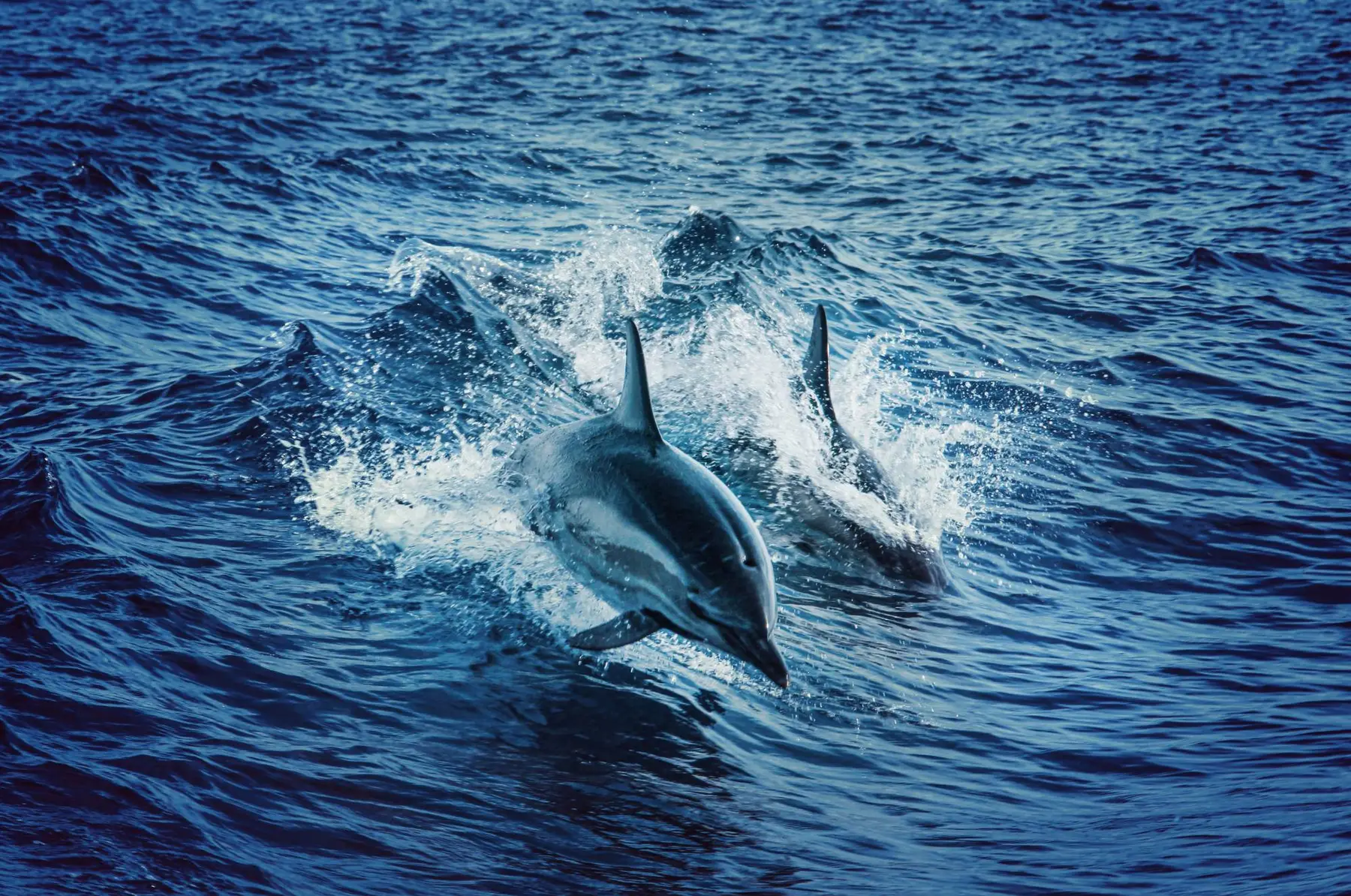
A new propeller coated with a material that mimics dolphin skin, developed by the Ningbo Institute of Materials Technology and Engineering (NIMTE), has the potential to cut fuel consumption on large cargo ships significantly.1
For more than a hundred years, scientists and engineers have taken dolphins as a model for building fast, highly maneuverable watercraft. A creature that glides through water with such ease and leaps high regardless of conditions, the dolphin is also an excellent model to imitate because of the features that keep its friction to a minimum.
Interestingly, under normal conditions a dolphin should not be able to swim like this. Friction in water is very great, and relative to its weight a dolphin's muscles are only about as strong as a human's — so, under normal conditions, a dolphin should not be able to reach such speeds!
Because this contradiction was put forward in 1936 by the British zoologist James Gray, it is known as “Gray's paradox.”
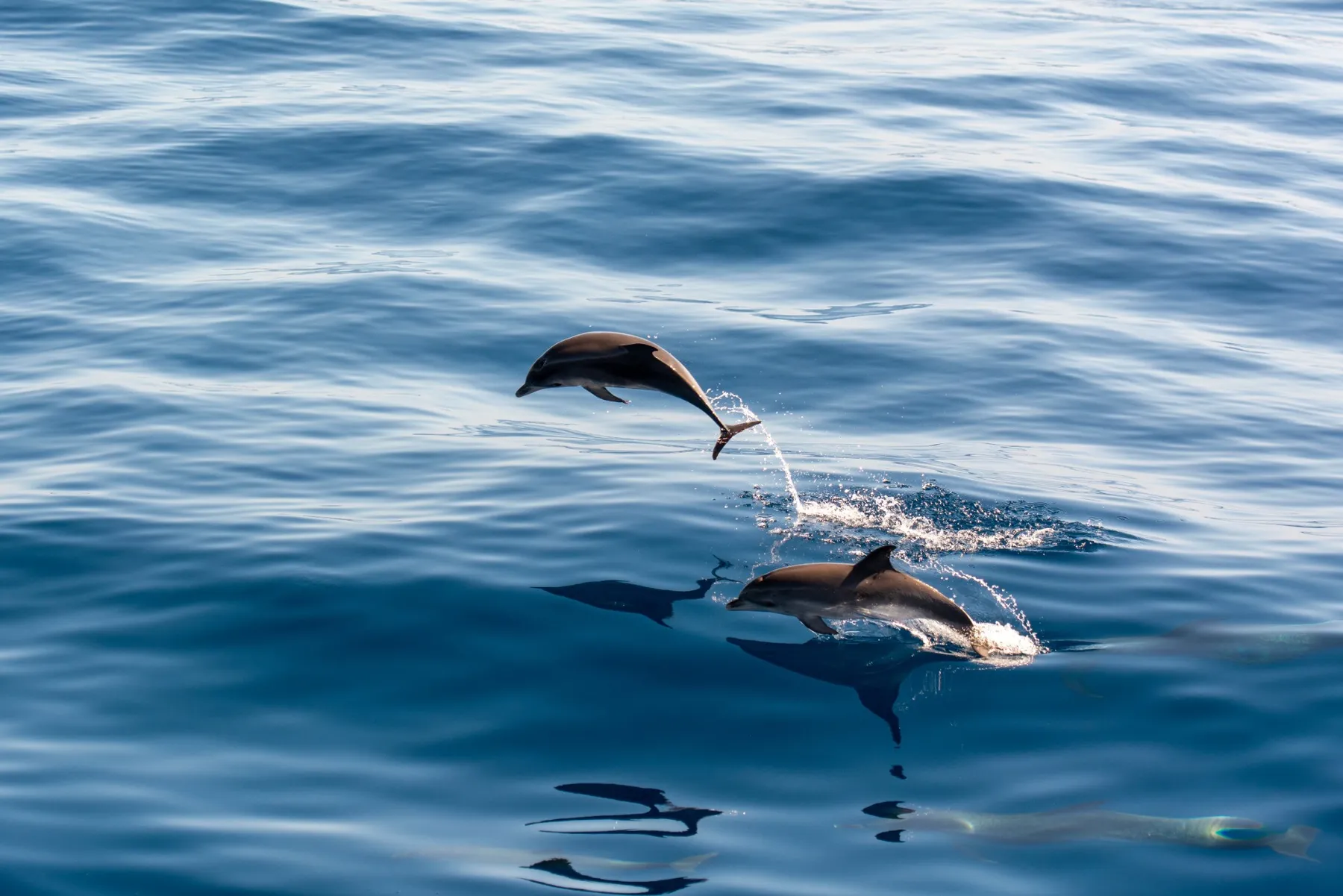
Starting from this curious situation, engineers began to notice certain details. For example, if you watch seals and dolphins swimming together on a night when the sea is glowing, you will see that the luminous plankton particles move in turbulent chaos around the seals, while they slide over the dolphins in straight lines. Research revealed that this is due to the extraordinary structure of dolphin skin.
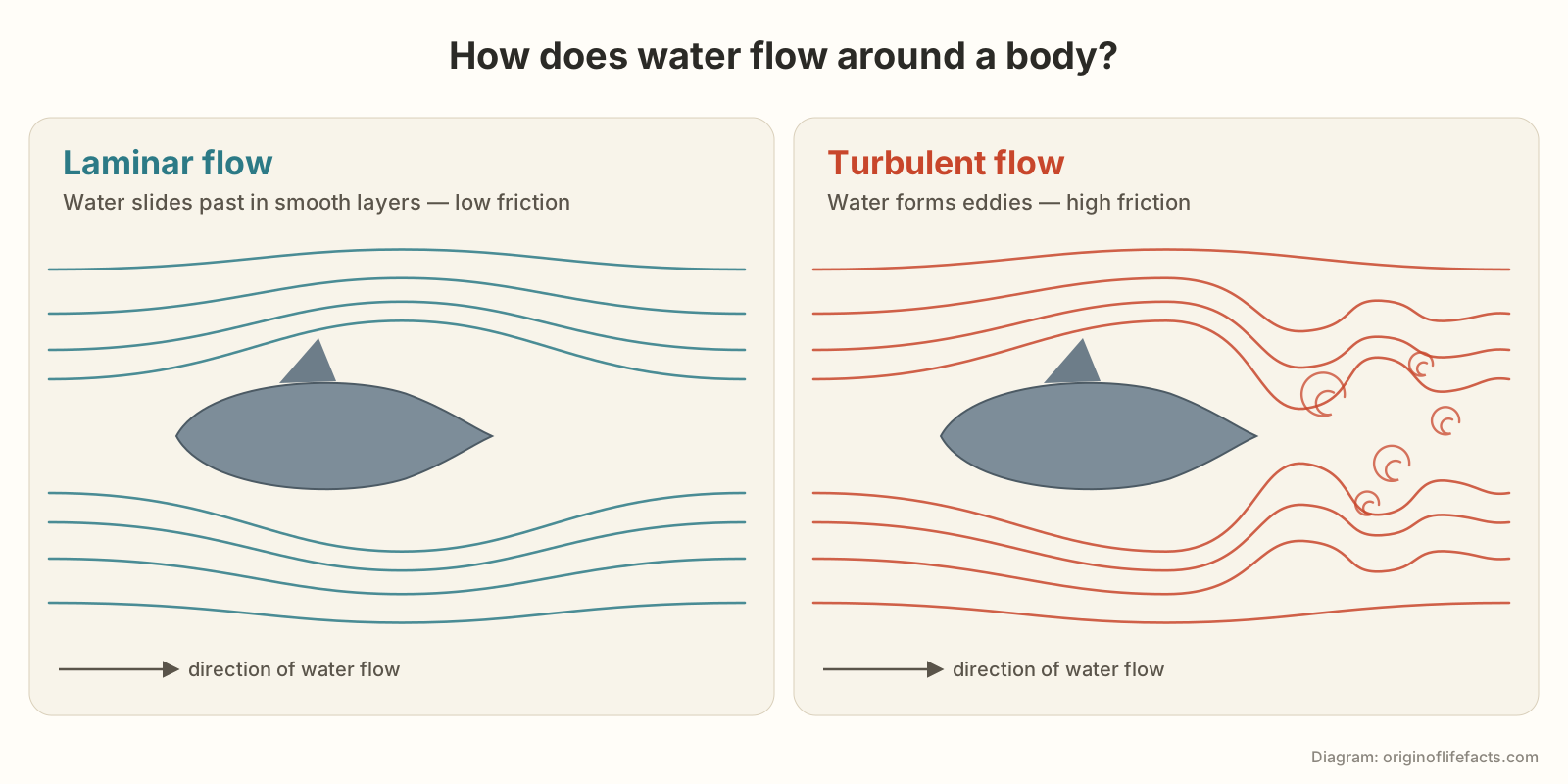
In more detail, dolphin skin, combined with mucus secretions, consists of an elastic microstructure that can adjust itself even as the animal swims at different speeds. At high speeds the skin creates a very thin turbulence layer. This layer is almost frictionless and allows the water around the dolphin to slide past it in what is called “laminar flow.”
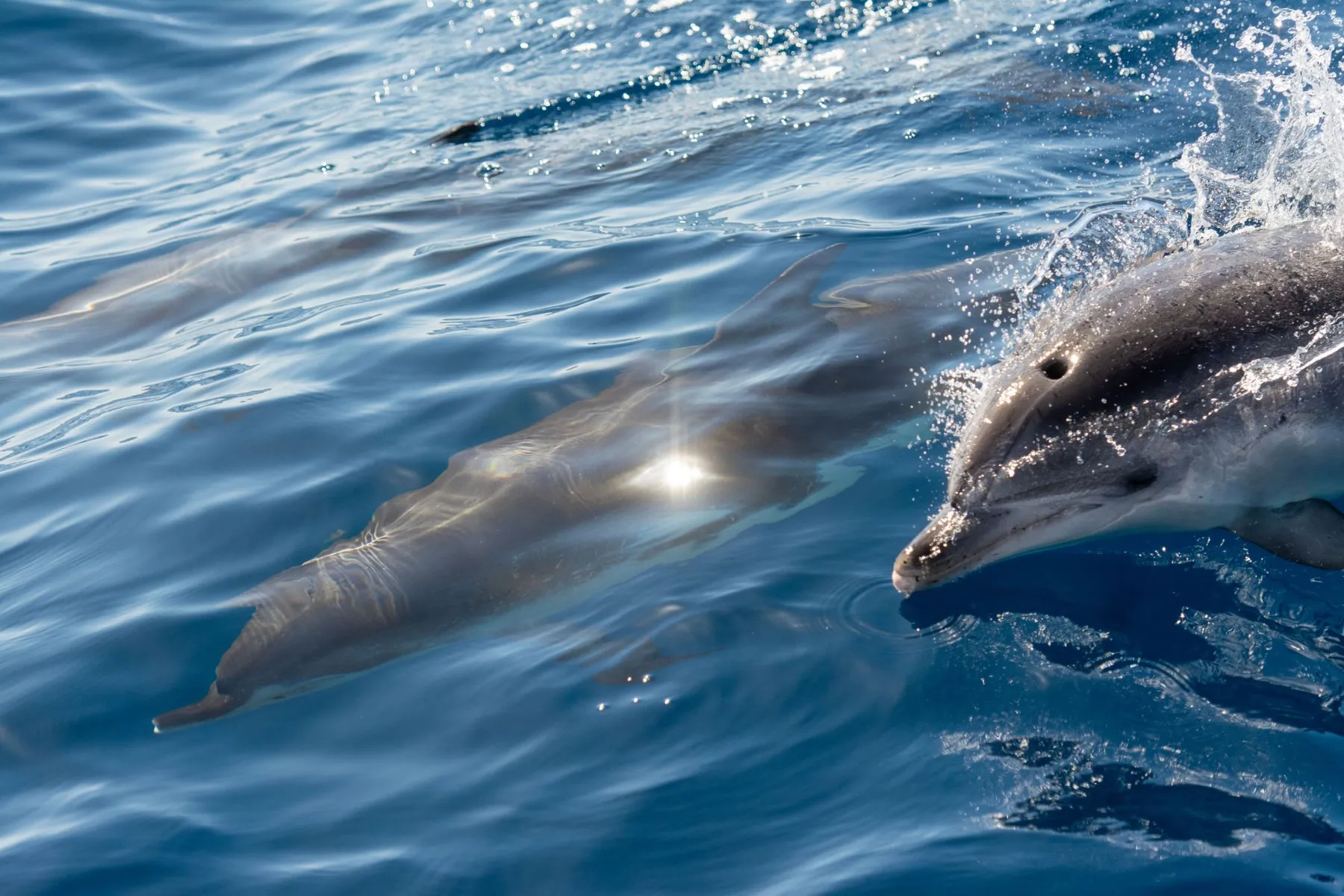
Today laminar flow is used in both marine vessels and aircraft to reduce friction and increase speed. Now the Ningbo Institute has begun applying this principle to ship propellers. In the process, the institute applies a coating it calls “bionic dolphin skin” to a conventional propeller — though it is not exactly like a dolphin's, because dolphin skin is far more complex. Instead, the coating consists of dynamic interface materials and an elastic microstructure ranging from 0.1 to 0.2 mm. This reduces the shear force with the water and increases the propeller's efficiency.

The Ningbo Institute recently partnered with COSCO SHIPPING, one of the world's best-known shipping companies, to test the new biomimetic propeller system on a 300,000-ton very large crude carrier — and the tests were successful.
During trial voyages lasting more than 200 days and covering 35,000 nautical miles (about 65,000 km) between Chinese coastal ports and major ports in the Middle East, the propellers delivered a 2% saving in the crude carrier's fuel consumption on the first attempts. Although this is still an early pilot application, the researchers estimate that fitting biomimetic dolphin skin to a propeller would cost US$20,000, while saving more than $140,000 a year and reducing CO2 emissions by more than 900 tons.
The wondrous structure seen in dolphin skin, its almost nonexistent friction in water and its many other features did not come about by themselves; they are an extraordinary example of creation specially designed by our Lord. That such a material is found only in dolphins, and not in seals, which have no need for speed, is a separate wonder of creation.
Besides the special hydrodynamic structure of their skin, the communication between dolphins and the complex sounds they make are just one of the countless examples of the flawless creation of our Exalted Lord, Who created the universe from nothing.
Source
- David Szondy, “Bionic dolphin skin propeller slashes hundreds of tonnes of emissions,” New Atlas, April 18, 2024. ↩