Reading time: ~1 min read
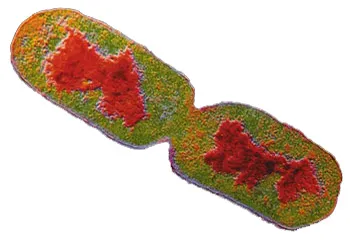
The complex structure of the cell was unknown in Charles Darwin’s day. For that reason, evolutionists of his time imagined that chance and natural phenomena represented a satisfactory answer to the question of how life first came to be.
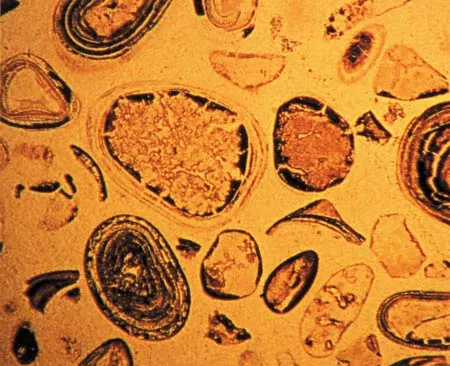
Darwin suggested that the first cell could come into existence in a small, warm waterhole. The German biologist Ernst Haeckel, one of Darwin’s supporters, examined under the microscope the mud brought up from sea bed by a research vessel and claimed that this was an inanimate substance that turned into living matter. This so-called life-assuming matter is known as Bathybus haeckelii (Haeckel’s mud); and those who first proposed the theory of evolution imagined life to be just such a simple matter.
However, 20th-century technology investigated life down to the very finest detail, revealing that the cell was the most complex system yet discovered.